
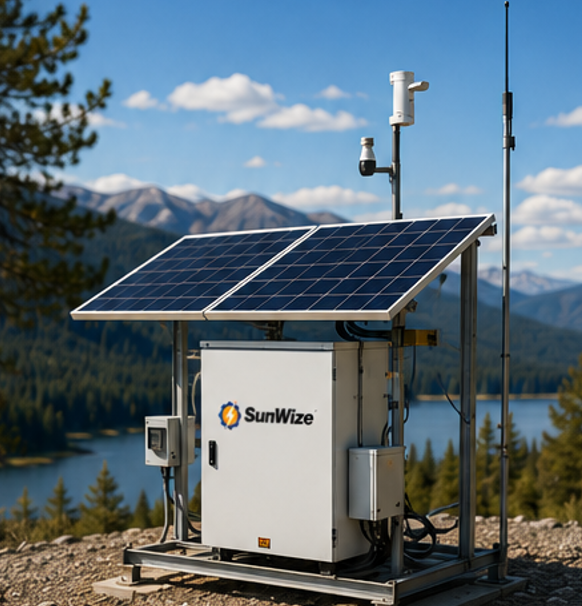
As remote sites evolve, added equipment and changing loads can impact solar capacity, battery autonomy, and long-term system reliability..
Have Your Loads Changed?
Your Remote Power System Was Designed for a Specific Load. Is That Still the Load Today?
When an off-grid power system is designed, everything starts with the load.
The equipment being powered, operating voltage, current draw, duty cycle, hours of operation, seasonal conditions, battery autonomy, and available solar resource all influence the size of the solar array and battery bank.
But while the power system may remain largely unchanged, the equipment it supports often does not.
New sensors are added. Radios and cellular modems are upgraded. Data transmission becomes more frequent. Cameras, heaters, controls, and monitoring equipment are installed. Operating schedules change.
Individually, these changes may seem insignificant. Together, they can create a very different load than the one the system was originally designed to support.
Your remote power system may not have changed, but your load probably has.
Small Changes Add Up
Load growth at remote sites rarely happens all at once. Small equipment additions, longer runtimes, or more frequent communications can gradually increase energy demand.
For example, increasing a continuous load from 20W to 25W raises daily consumption from 480Wh to 600Wh, a 25% increase.
That additional energy must be supported by the same solar array and battery bank, potentially reducing system reliability and autonomy.
What Is Actually Connected Today?
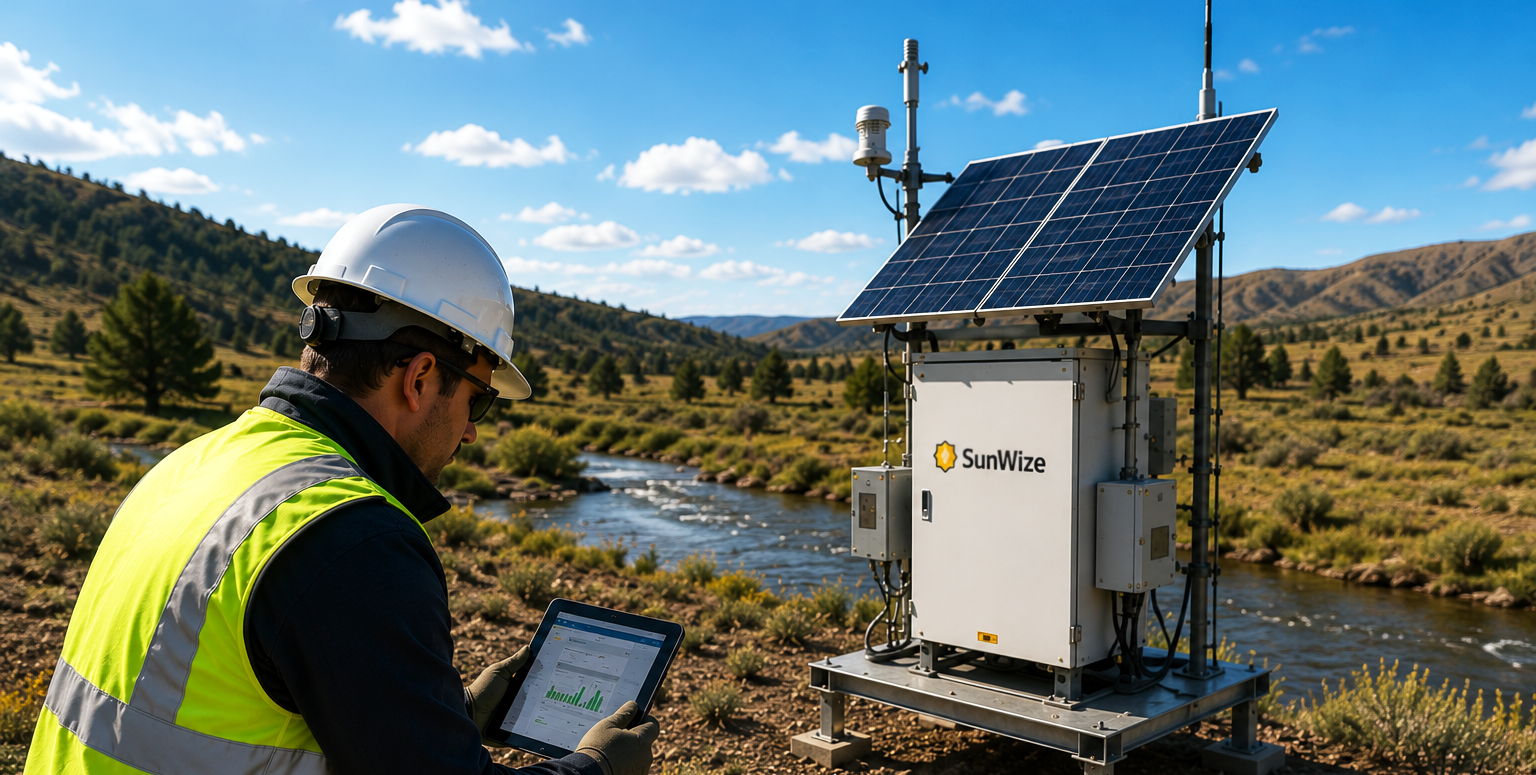
One of the simplest ways to evaluate an existing remote power system is to compare the original design load with the equipment currently operating at the site.
Ask a few basic questions:
- What was the system originally designed to power?
Review the original equipment list, load assumptions, duty cycles, operating voltage, and hours of operation. - What equipment is connected today?
Look for added sensors, radios, cellular gateways, cameras, heaters, controls, monitoring equipment, or other devices that were not part of the original design. - Have operating schedules changed?
Equipment that once operated intermittently may now run continuously. Sampling rates may have increased, and communications equipment may transmit more frequently. - Can the solar array still replace the energy being consumed?
The question is not simply whether the array produces power on a sunny day. It must provide enough energy to support the current load under the site's seasonal solar conditions. - Can the battery bank still provide the required autonomy?
Increased load reduces the amount of time a battery bank can support the site during nighttime, storms, snow, or extended periods of poor solar production.
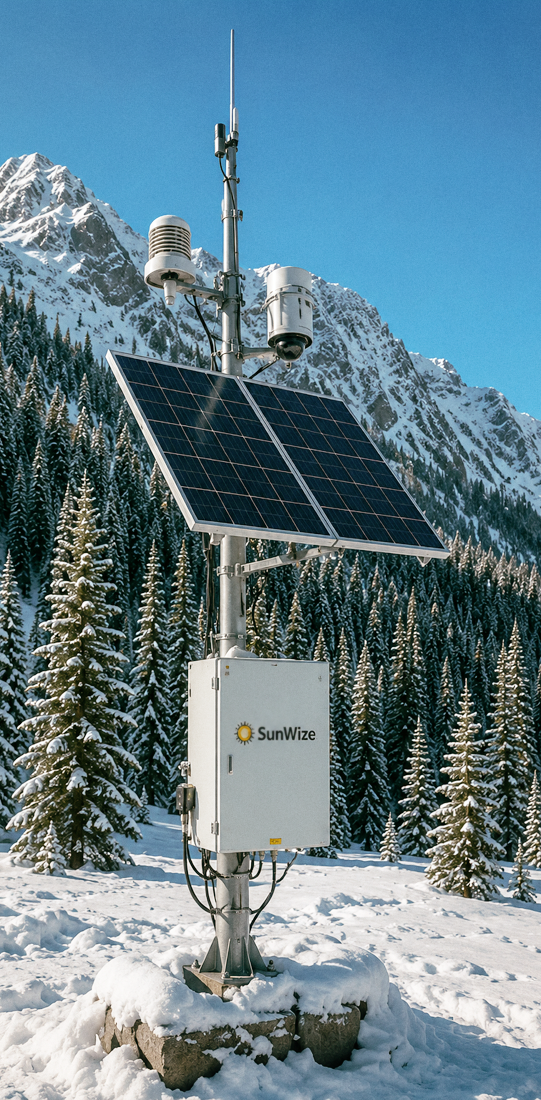
The Worst Solar Month Still Matters
A remote solar power system should not be evaluated based only on its performance during ideal conditions.
A system that operates comfortably during long summer days may become marginal when winter arrives and available solar energy declines.
If the load has increased since installation, the difference may not become obvious until the system experiences several cloudy days, shorter winter days, snow, extreme temperatures, or another period of reduced solar production.
This is why system sizing should continue to consider the worst solar month, not simply annual average conditions.
A system can appear perfectly healthy for much of the year and still lack sufficient energy capacity when conditions become challenging.
Increased Load Also Means Reduced Battery Autonomy
The solar array is only part of the equation. Battery capacity determines how long critical equipment can continue operating when solar energy is unavailable or insufficient.
If the load increases while battery capacity remains the same, autonomy decreases.
And if those batteries have also lost capacity as they age, the effect can be compounded. A system may simultaneously be supporting a larger load with less available battery capacity than it had when originally commissioned.
That combination can turn what was once a reliable remote power system into one that regularly approaches its operating limits.
Don't Wait for the First Low-Voltage Alarm
An undersized system does not necessarily fail immediately.
The warning signs can be gradual:
- Batteries spending more time at a low state of charge
- Increasing low-voltage alarms
- Equipment resets or communications interruptions
- Longer battery recovery periods after poor weather
- Reduced overnight autonomy
- More frequent maintenance visits
- Unexplained data gaps or equipment downtime
These symptoms can sometimes be attributed to individual components when the larger issue is simply that the site's energy requirements have outgrown the original power system.
Revisit the Load Before Replacing Components
When an older remote system begins experiencing reliability problems, replacing the battery or another component may seem like the obvious solution.
But before replacing equipment, it is worth going back to the beginning: Recalculate the load.
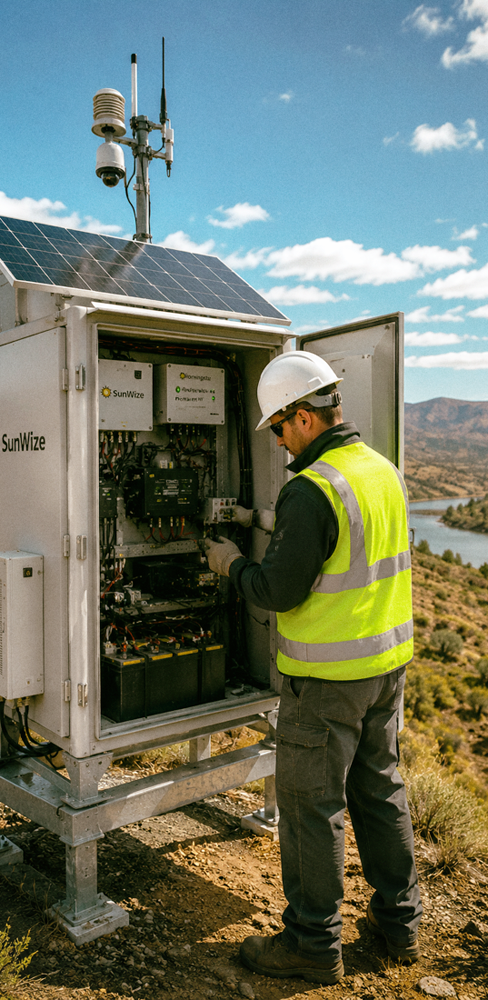
When an older remote system develops reliability problems, replacing components may seem like the solution. But first, recalculate the load.
Compare what the system was originally designed to power with what is connected and operating today. The system may not be failing, the application may have simply changed.
Built for Today. Ready for Tomorrow.
Remote infrastructure continues to evolve as new technology and operating requirements are introduced. SCADA equipment becomes more sophisticated, communications systems are upgraded, organizations collect more data, automation expands, and additional sensors and monitoring equipment are added.
Each improvement may represent only a small increase in power consumption, but over time those changes can significantly increase the total energy required at the site. A system designed around the original load may eventually have less solar capacity and battery autonomy available than intended.
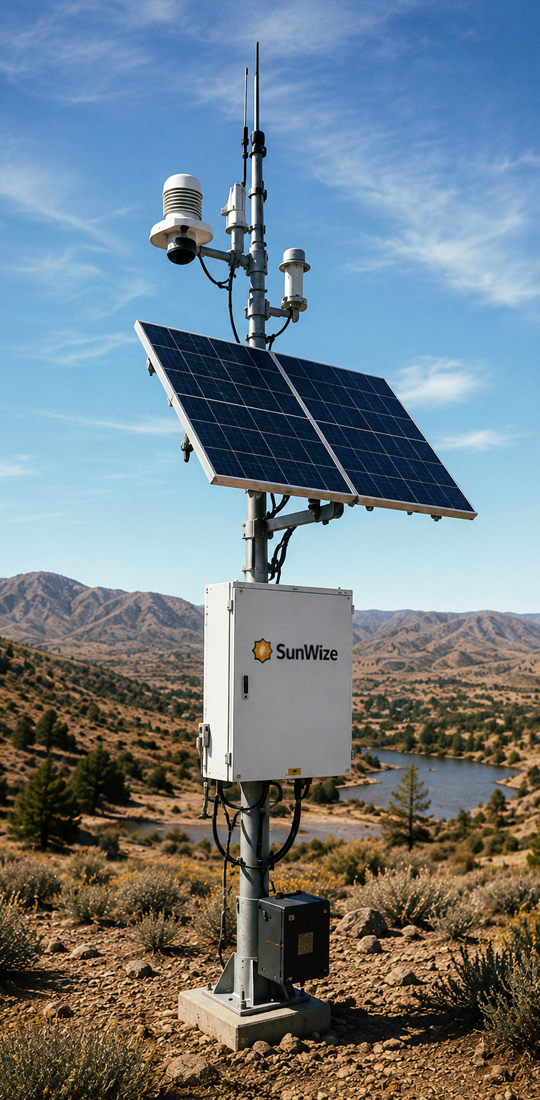
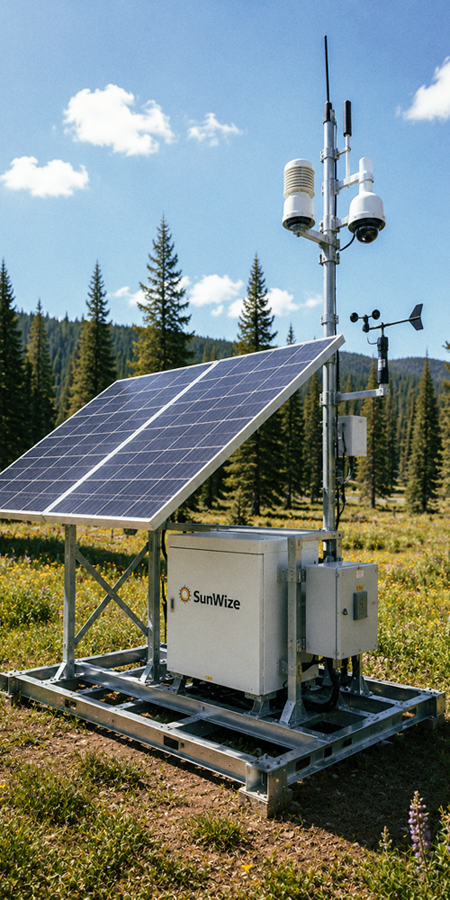
At SunWize, we design remote power systems around the actual application, including load requirements, battery autonomy, available solar resource, environmental conditions, and expected operating requirements. These factors work together to determine how reliably a system will perform throughout the year.
But even a properly engineered system should be reevaluated when the application changes. The goal is not simply to determine whether your system can power the equipment today. It is to ensure there is sufficient solar and battery capacity to keep critical equipment operating during extended cloudy weather, seasonal changes, and other challenging conditions.
Looking Ahead
A remote power system that worked reliably when it was installed may still be performing exactly as designed.
The question is whether the site is still operating as originally designed.
If equipment has been added, communications upgraded, operating schedules extended, or data collection increased, it may be time to revisit the original load calculations. A relatively small increase in power consumption can have a significant impact on solar capacity, battery autonomy, and long-term reliability. Before the next low-voltage alarm, unexpected outage, or costly truck roll, ask one simple question: Have Your Loads Changed?
If the answer is yes, it may be time to make sure your remote power system has kept up.
Need help evaluating an existing or changing remote power application?
The SunWize team can review your current load requirements and help determine whether your solar array, battery capacity, and overall system design are still appropriate for the application.
Lets Get Started!
Why leave power reliability to chance? If your team needs a field-proven power solution, let’s talk.
cASE sTUDIES