
Critical remote equipment depends on reliable power. Contact SunWize to verify your off-grid power system is ready for changing site conditions.
Small Changes Can Lead to Big Problems
Don't Overlook the Small Things
Remote power systems are often installed, commissioned, and then expected to operate unattended for years. While the solar modules may continue producing power, the site itself rarely stays the same.
New equipment gets added. Batteries age. Communications are upgraded. Vegetation grows. Firmware changes. Data transmission schedules increase. Individually these changes may seem minor, but together they can quietly reduce system reliability.
By periodically reviewing your remote power system, you can identify small issues before they become costly service calls, unexpected downtime, or lost data.
Why Remote Sites Change Over Time
Remote infrastructure evolves long after installation.
Additional sensors may be installed. Cameras are added for security. Cellular gateways replace legacy radios. Sampling frequency increases. Equipment ages. Environmental conditions change.
A power system that was properly designed years ago may no longer match today's operating requirements.
Regular system reviews help ensure your remote site continues to perform as intended.
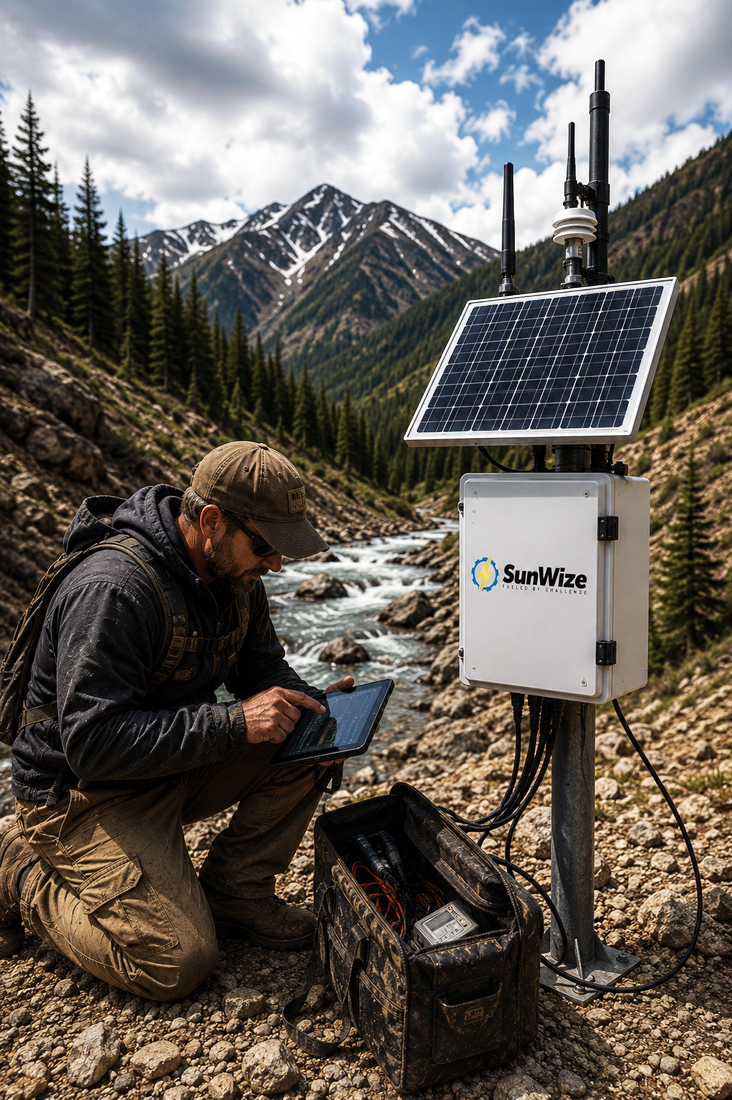
Why Do Remote Sites Lose Reliability?
Many remote power systems continue operating for years, but site conditions often change over time. Common factors that can reduce reliability include:
- Additional sensors or equipment increasing power demand
- Aging batteries with reduced capacity
- Solar arrays that no longer match the site's energy needs
- Seasonal shading from vegetation growth
- Communication equipment upgrades
- Increased data transmission frequency
- Environmental changes and harsh weather conditions
- Deferred maintenance or aging system components
In many cases, the monitored equipment is functioning properly. The issue is that the off-grid power system supporting it has gradually fallen behind the site's changing requirements, increasing the risk of downtime, lost data, and unexpected service visits.
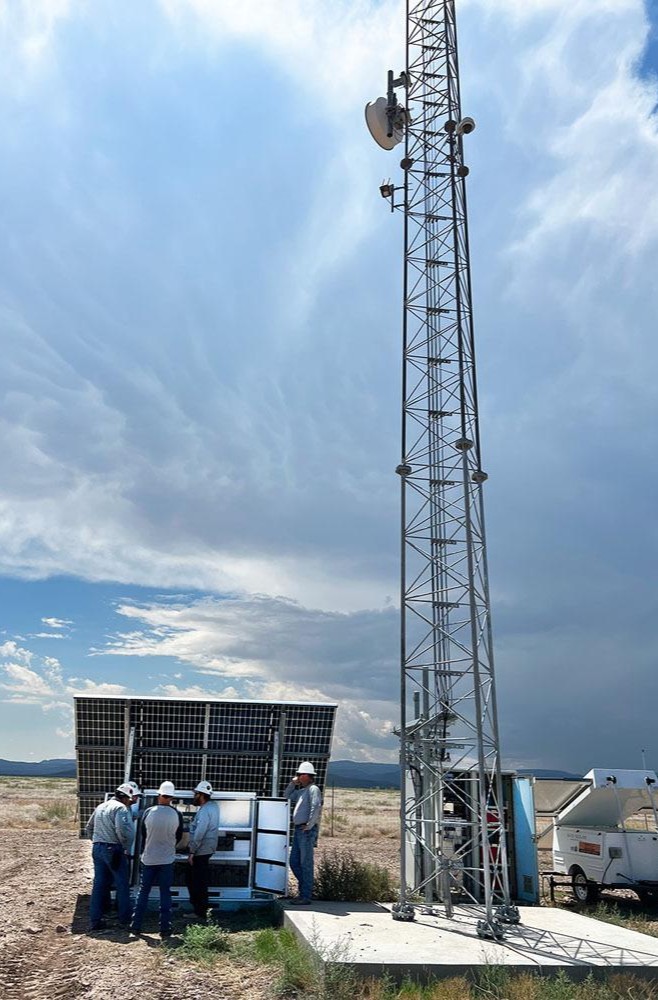
Reliability Starts with Regular Evaluation
A remote power system that was properly engineered when it was installed may not be properly sized for the site today. As equipment is added, batteries age, communications evolve, and environmental conditions change, even a reliable system can gradually fall behind your site's needs.
To maintain confidence in your remote site, periodically review:
- Whether the solar array still matches the site's energy requirements
- Battery health, capacity, and remaining autonomy
- Seasonal changes in available solar energy and shading
- Communications equipment and remote monitoring performance
- The overall condition of critical power system components
A few minutes spent evaluating your system today can help identify small issues before they become unexpected outages or costly service visits.
Can You Still Trust Your Remote Site?
Many organizations focus on the initial cost of a remote power system, but long-term reliability depends on more than the original installation. As your site evolves, it's important to ensure the power system supporting it evolves as well.
If your remote site has changed since it was commissioned, now is a good time to ask whether your power system is still capable of delivering the reliable performance your operation depends on.
Reviewing your remote power system before problems occur can help reduce downtime, protect valuable data, improve operational confidence, and keep critical equipment running when it matters most.
Confidence Starts with Reliable Power
At SunWize, we've spent decades designing off-grid power systems for remote applications across oil and gas, utilities, transportation, environmental monitoring, water resources, telecommunications, security, mining, and industrial automation.
Reliable remote sites don't happen by accident. They depend on power systems that continue to meet the site's needs long after installation.
As equipment changes, batteries age, and operating conditions evolve, periodically evaluating your remote power system helps ensure your critical infrastructure remains powered, connected, and ready when you need it most.
Because the question isn't whether your site worked when it was installed.
The question is: Can you trust your remote site right now?
Need help evaluating a remote power application?
Contact the SunWize team to discuss your application and learn how a simple system review can improve reliability, increase autonomy, and help keep your remote equipment operating with confidence.
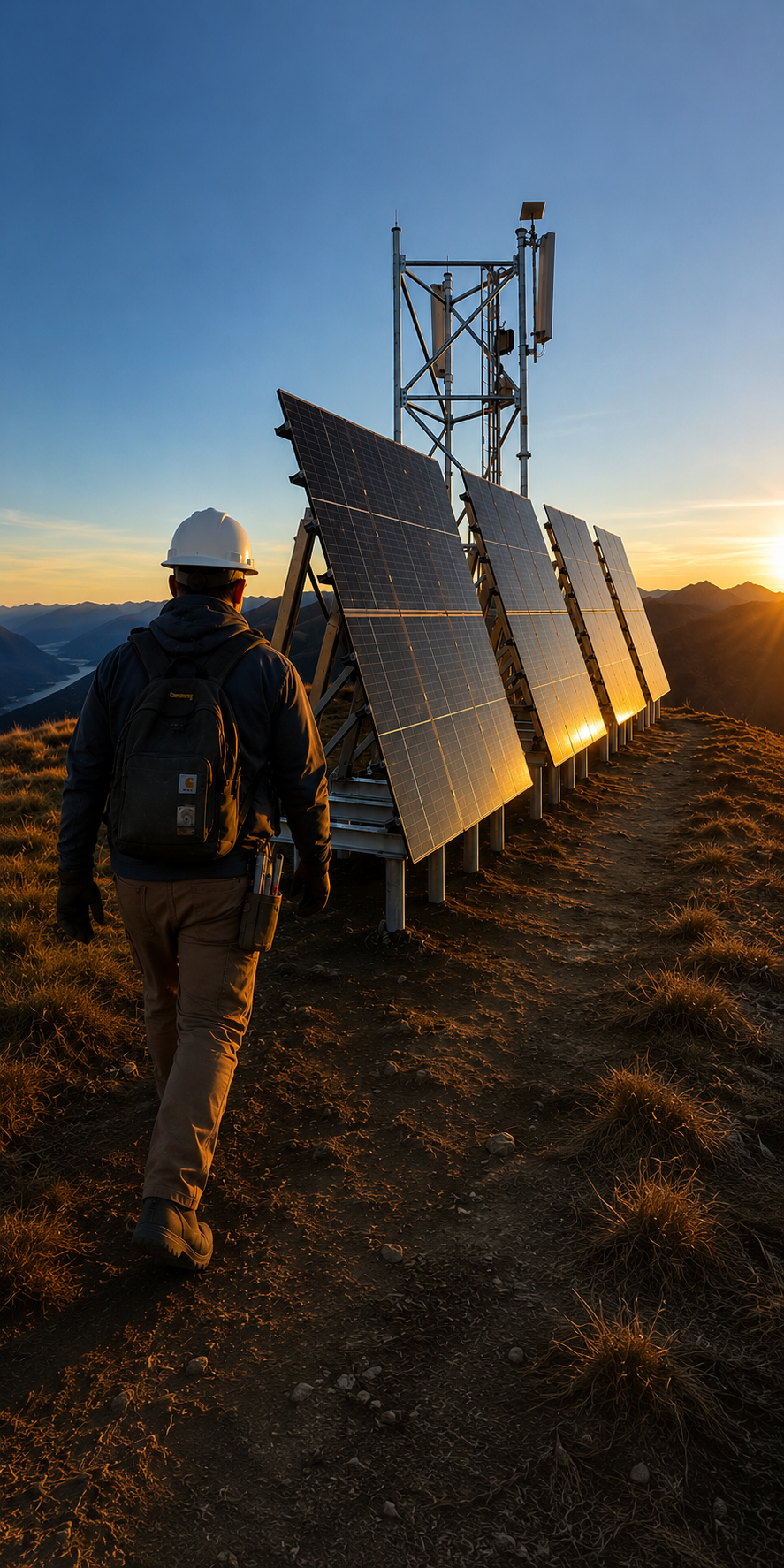
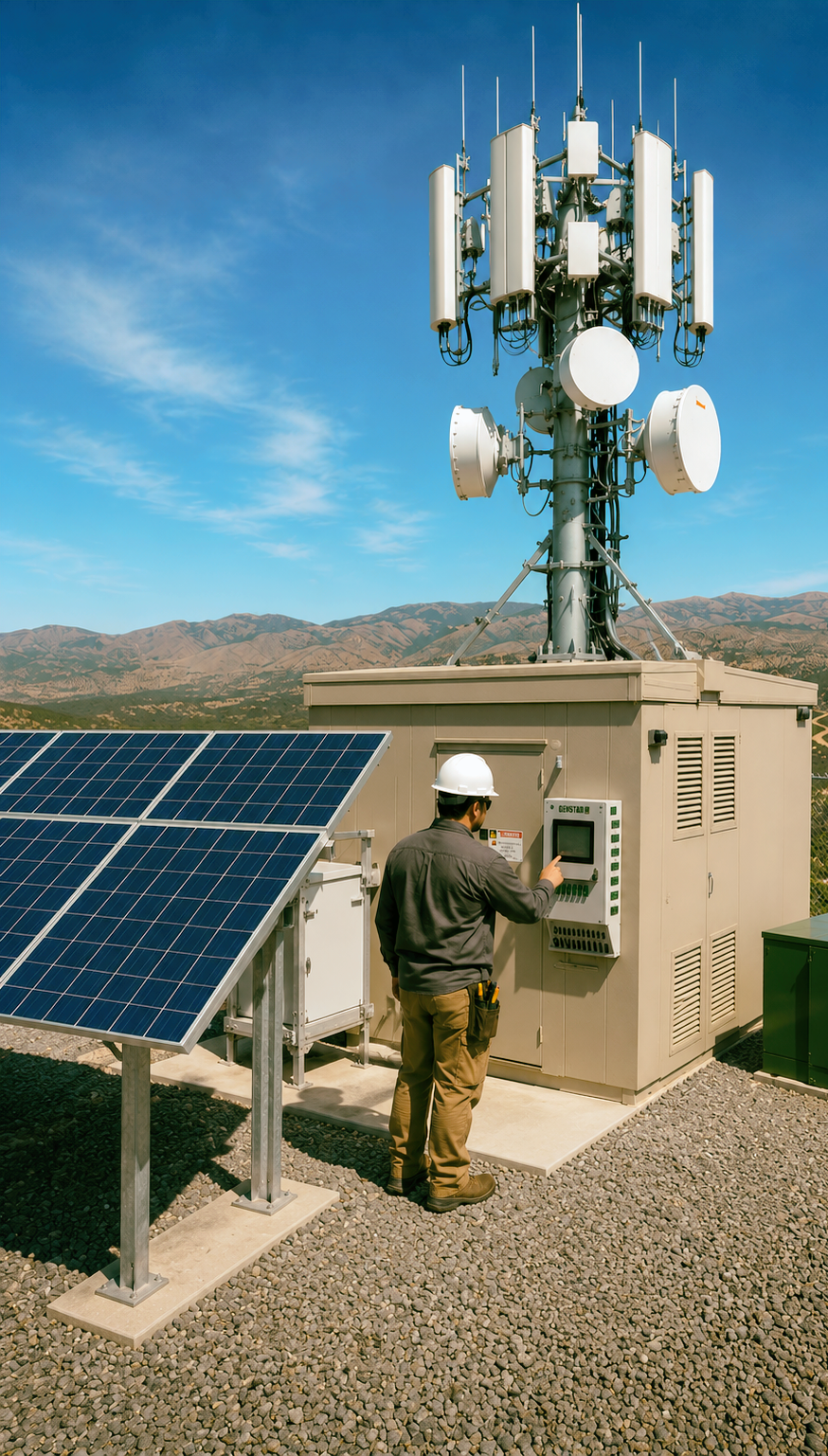
Where These Checks Matter Most
Periodic power system evaluations are beneficial anywhere critical equipment operates without reliable utility power. Common applications include:
- Oil and gas production, monitoring, and control
- Water and wastewater monitoring systems
- Utility, pipeline, and SCADA infrastructure
- Environmental and weather monitoring stations
- Security and surveillance systems
- Telecommunications and wireless communications
- Mining operations and remote industrial sites
- Transportation and intelligent traffic systems
- Agricultural monitoring and irrigation controls
- Watershed, reservoir, and flood monitoring
Regardless of the application, ensuring your remote power system continues to meet the site's changing needs helps improve reliability and reduce the risk of unexpected downtime.
Stay Ahead of Changing Site Conditions
Remote sites rarely remain exactly as they were when they were commissioned. Equipment is added, communications evolve, batteries age, and environmental conditions change over time.
A periodic review of your off-grid power system helps confirm that it can still support today's loads, provide adequate battery autonomy, and deliver dependable performance throughout the year.
For many organizations, a simple system evaluation is one of the easiest ways to improve reliability, reduce maintenance, and maintain confidence that critical remote equipment will continue operating when it matters most.
Looking Ahead
As remote infrastructure continues to expand, maintaining confidence in remote power systems will become increasingly important. New sensors, communications equipment, cameras, and automation devices continue to increase power demands, while batteries, environmental conditions, and site requirements naturally change over time.
Organizations that periodically evaluate their remote power systems are better positioned to identify changing conditions before they impact operations. A proactive approach helps improve reliability, extend equipment life, reduce unplanned maintenance, and keep critical infrastructure operating as intended.
The most dependable remote sites are not simply those with well-designed power systems. They are the ones that continue to be evaluated and maintained as site conditions evolve. By asking a few simple questions today, you can help ensure your remote site remains powered, connected, and reliable for years to come.
Read our newsletter on this topic here
Lets Get Started!
Why leave power reliability to chance? If your team needs a field-proven power solution, let’s talk.
cASE sTUDIES