
How Remote Solar Power Systems Support the Asset Tracking Vertical
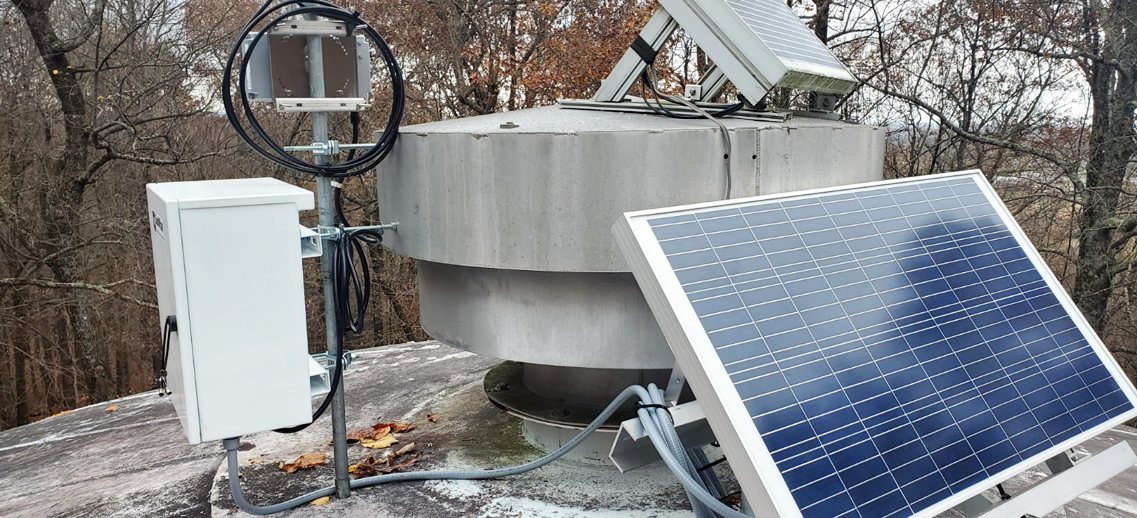
Asset tracking systems rely on continuous power to maintain visibility, accuracy, and trust in the data. In many asset tracking deployments, RFID readers and 12V cellular routers are installed in locations where utility power is unavailable, unreliable, or impractical to extend. Remote solar power systems provide a self-sustaining energy source that allows asset tracking infrastructure to operate independently of the grid.
SunWize designs remote solar + battery power systems specifically to support the operational realities of the asset tracking vertical, including temporary sites, distributed locations, and environments where downtime directly impacts logistics, security, and inventory control.
Why remote power is critical for asset tracking
Asset tracking applications are often deployed across wide geographic areas, such as equipment yards, rail corridors, construction sites, ports, and industrial facilities. These locations share common challenges:
- Limited or no access to utility power
- High cost and long timelines to trench or permit electrical service
- Temporary or relocatable installations
- Exposure to weather, dust, vibration, and temperature extremes
Remote solar power systems address these challenges by providing a standalone energy source that requires no fuel, no generator maintenance, and minimal ongoing intervention.
How remote solar power systems support RFID and 12v cellular tracking
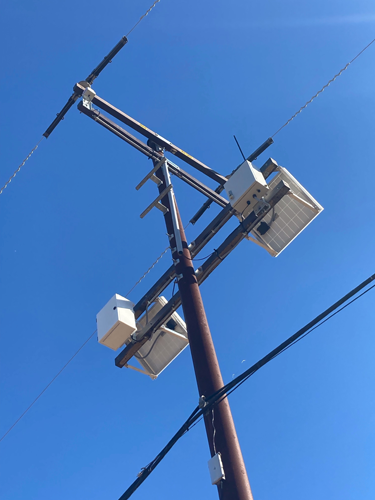
Remote solar power systems enable asset tracking deployments by ensuring stable, continuous DC power for critical tracking hardware.
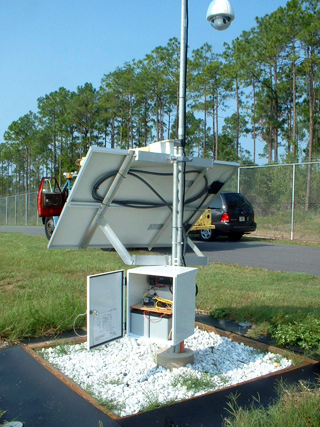
- Solar modules recharge the battery system daily, maintaining energy availability for both daytime operation and overnight runtime.
- Battery storage provides autonomy during poor weather, ensuring RFID readers and 12V cellular routers remain operational even when solar input is reduced.
- DC-first power architecture allows RFID readers and cellular routers to operate directly from the battery system, improving efficiency and reducing conversion losses.
- Properly regulated power protects sensitive communications hardware from voltage fluctuations that can interrupt data transmission.
- Optional monitoring allows operators to remotely verify system health and address issues before data loss occurs.
Operational benefits for the asset tracking vertical
Remote solar power systems are not just a power source, they are an enabling technology for scalable asset tracking deployments.
- Consistent data availability: Maintain continuous RFID reads and cellular connectivity without power interruptions.
- Reduced operational cost: Eliminate generator fuel, battery swap programs, and frequent site visits.
- Scalable deployment model: Repeatable power configurations simplify expansion from pilot programs to large, multi-site rollouts.
- Faster site activation: Deploy tracking systems immediately without waiting for utility service or electrical permitting.
- Support for temporary and mobile assets: Ideal for construction projects, relocatable yards, and evolving logistics operations.
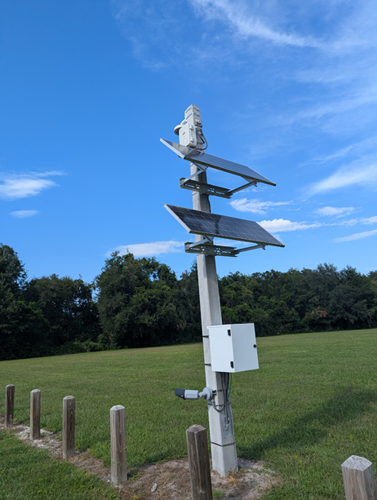
Typical asset tracking use cases supported by remote solar
-
RFID tracking at remote equipment and laydown yards:
Solar-powered systems keep RFID readers and 12V cellular routers online in yards without utility power, ensuring consistent asset visibility. -
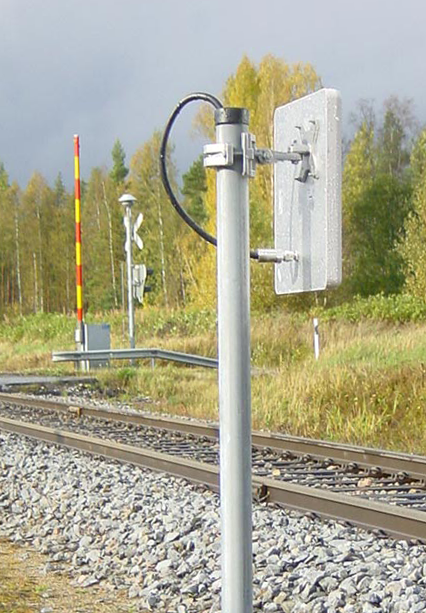
Fixed RFID read points along rail lines or access corridors:
Remote solar power supports always-on RFID read zones where grid power is unavailable or impractical to extend. -
Temporary asset tracking on construction and infrastructure projects:
Solar-powered tracking systems allow quick deployment and relocation as construction sites change. -
Container and equipment tracking at ports and terminals:
Remote solar power delivers reliable energy for RFID and cellular tracking where electrical infrastructure is limited or shared. -
Industrial asset monitoring in mining, aggregates, and energy sectors:
Rugged solar power systems enable reliable tracking in remote, harsh environments with minimal maintenance.
Designed around real-world asset tracking loads
SunWize systems are sized based on actual asset tracking hardware, not assumptions.
- RFID reader make, model, and antenna configuration
- 12V cellular router power draw and data transmission profile
- Always-on versus event-based operation
- Required days of autonomy to maintain uptime during low solar conditions
This load-driven approach ensures the power system supports the asset tracking application reliably over its full operating life.
Lets Get Started!
Why leave power reliability to chance? If your team needs a field-proven power solution, let’s talk.