

Pressurized Gas Pipeline Safety and the Role of Proactive Pressure Monitoring
Gas Transmission Pressure Monitoring: Pressure Control as a Foundational Element of Pipeline Safety
The safe transportation of pressurized natural gas requires constant control and visibility. Across the United States, distribution and transmission pipelines operate near homes, businesses, and critical infrastructure. While these systems are designed to strict standards, failures related to pressure control can have severe consequences. Over the past two decades, incidents have demonstrated that relying solely on reactive measures is not sufficient. As a result, proactive pressure monitoring and automated protection have become core elements of modern pipeline safety programs.
The San Bruno Explosion and Regulatory Action in California
In September 2010, a high pressure natural gas transmission pipeline ruptured in San Bruno, California. The resulting explosion and fire destroyed homes and caused multiple fatalities. The event became a turning point for pipeline safety oversight in the United States.
Following the incident, the California Public Utilities Commission increased its focus on automated safety mechanisms, pressure monitoring, and the rapid isolation of pipeline segments. The San Bruno event brought proactive pressure control directly in front of the CPUC and led to new expectations for how utilities monitor and manage pipeline pressure. Many utilities operating in California were required to implement enhanced pressure sensing and automatic shutoff capabilities as part of their safety programs.
These actions helped establish a regulatory framework that emphasized prevention, rapid response, and continuous situational awareness.
Lessons Reinforced by the 2018 Massachusetts Gas Explosion
In September 2018, a series of overpressurization events in a Massachusetts neighborhood led to explosions, fires, and loss of life. The National Transportation Safety Board investigation identified inadequate pressure sensing and a lack of automated safeguards as contributing factors. The affected pipeline was operated by a large East Coast gas provider serving dense urban and suburban communities.
The findings reinforced the need for proactive pressure management at the distribution level. In the years following the investigation, federal and state oversight further emphasized real time pressure monitoring, automated controls, and improved system visibility. Together with earlier regulatory actions, these events solidified proactive pressure monitoring as a required safety measure rather than an optional enhancement.
 From Reactive Response to Proactive Safety Systems
Historically, many pipeline systems relied on periodic inspections and centralized monitoring. While effective to a degree, these approaches often lack the speed and resolution needed to detect rapid pressure changes in localized sections of a pipeline.
Today, pressure monitoring systems are increasingly deployed in the field and function much like gas flow circuit breakers. These systems continuously measure pressure conditions at critical points along the pipeline. When pressure exceeds defined limits, automated shutoff devices are triggered, isolating sections of the pipeline before damage or escalation can occur.
This shift represents a fundamental change in how pipeline safety is managed, moving from response after the fact to prevention by design.
Real Time Situational Awareness in the Field
Regulatory actions at both the state and federal level have reinforced the importance of real time situational awareness. Field deployed pressure monitoring systems provide continuous visibility into operating conditions without reliance on manual intervention.
These systems allow utilities to:
- Continuously monitor pressure at remote pipeline locations
- Detect abnormal pressure increases as they occur
- Trigger automatic shutoff valves when thresholds are exceeded
- Isolate affected pipeline segments quickly
- Provide operators with timely, actionable information
By placing intelligence directly in the field, utilities gain visibility that cannot be achieved through centralized monitoring alone.
The Solution
Powering Pressure Monitoring in Low Insolation Regions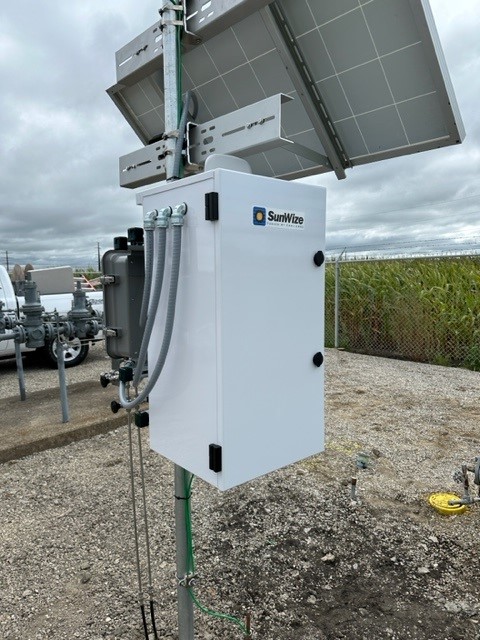
Many pressure monitoring locations are remote and lack access to utility power. On the East Coast, these sites also face long winters, frequent cloud cover, and extended periods of low solar availability. Providing reliable power for safety critical monitoring and control equipment under these conditions requires careful system design.
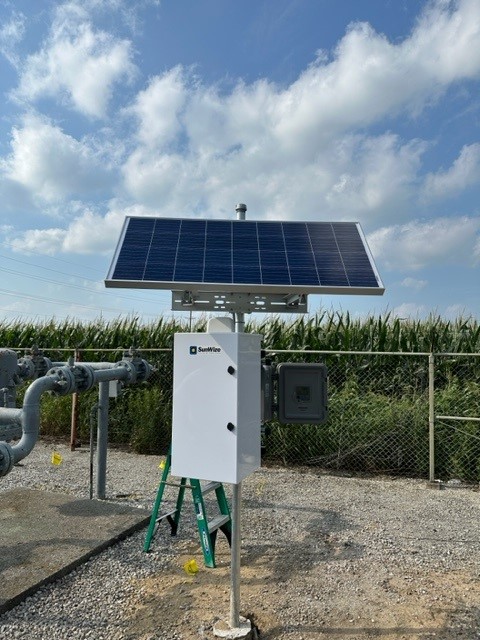
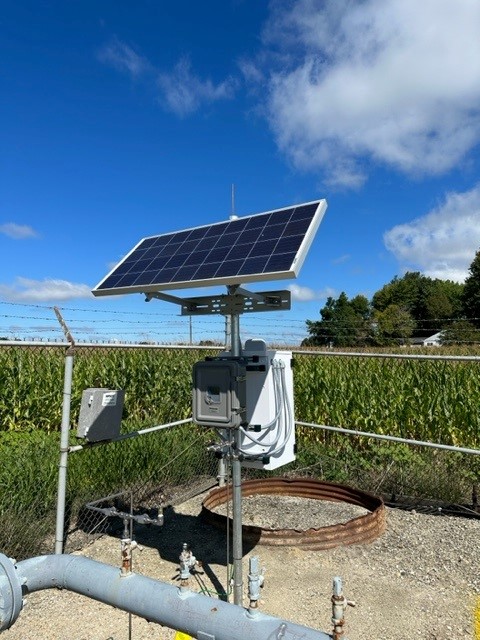
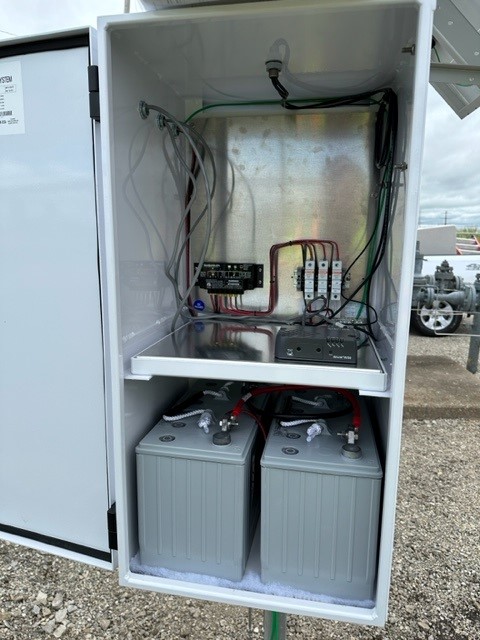
SunWize developed a compact solar and battery power system specifically for pipeline pressure monitoring applications in the Northeast. These systems were engineered to operate year round in very low solar insolation environments while supporting continuous pressure sensing, communications, and automated control equipment.
To date, SunWize has delivered more than 2,500 autonomous solar and battery systems for pressurized gas pipeline pressure monitoring and safety applications. These systems are operating in the field today, supporting real time monitoring and automatic shutoff functionality across distribution and transmission networks.
Key characteristics of these systems include:
- Compact solar and battery configurations suitable for constrained sites
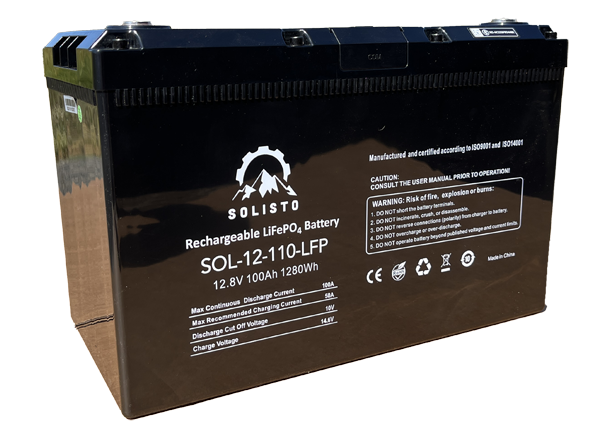
- Battery capacity designed to support extended low light and winter conditions
- Proven operation during prolonged cloud cover and seasonal variability
- Autonomous power for pressure sensors and automatic shutoff devices
Intrinsic Safety and Shunt Diode Protection
Safety considerations for gas pipeline environments extend beyond pressure control alone. Electrical systems deployed near pressurized gas infrastructure must also be designed to minimize ignition risk under fault conditions.
SunWize systems incorporate a shunt diode safety barrier as part of the power architecture. This barrier limits and safely diverts excess energy in the event of abnormal voltage or current conditions. By controlling energy levels at the device interface, the shunt diode barrier reduces the risk of sparks or thermal events in hazardous environments.
This approach supports deployment in sensitive pipeline locations and aligns with utility and regulatory expectations for electrical safety.
 Enabling Automated Shutoff and Regulatory Compliance
Current safety requirements increasingly rely on automation. Manual shutdown procedures alone are no longer considered sufficient in many distribution and transmission environments, particularly in populated areas.
The power systems described here are designed to support pressure monitoring and automatic shutoff equipment without interruption. When unsafe conditions are detected, monitoring, communications, and control devices remain powered and responsive. This reliability is essential for meeting mandated safety expectations and supporting compliance documentation through alarms, data logging, and historical records.
Informing Utilities Facing Mandated Safety Requirements
This post is intended to inform utilities that are navigating similar mandated pipeline safety requirements. Many operators are now being required to deploy field based pressure monitoring, automated shutoff devices, and intrinsically safe power systems across their networks.
For utilities evaluating how to meet these requirements, especially in remote or low insolation environments, experience from existing deployments can help reduce risk and shorten implementation timelines.
If your organization is addressing mandated pressure monitoring or automated shutoff requirements and would like to discuss proven approaches, you are welcome to reach out to me directly.
Mark Perry
Director of Business Development
SunWize Power & Battery
Call SunWize Power & Battery today to see how our Power Ready systems can help in your compliance efforts!
Still haven't found what you need? Contact Us!
Lets Get Started!
Why leave power reliability to chance? If your team needs a field-proven power solution, let’s talk.