

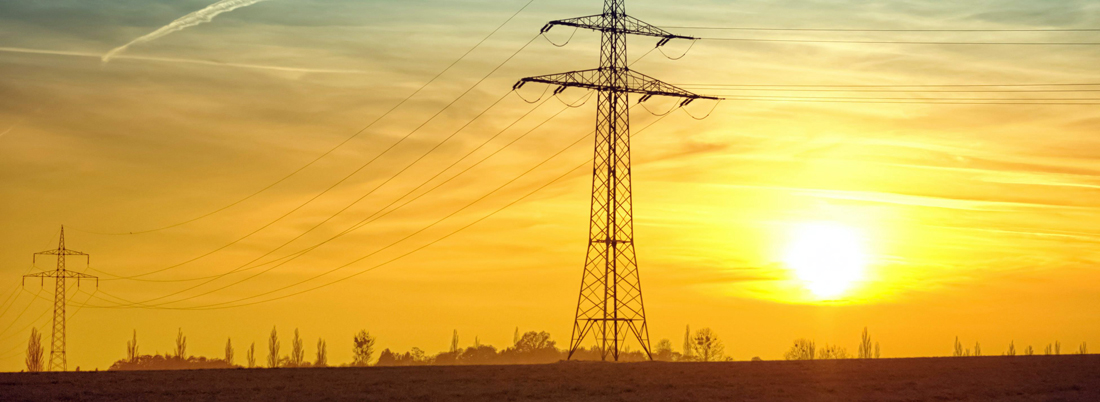
Powering Remote SCADA Systems Without the Grid
Across industries like oil & gas, water monitoring, utilities, and industrial automation, SCADA systems play a critical role in maintaining visibility and control over remote assets. However, many of these systems are deployed in locations where grid power is unavailable, unreliable, or too costly to extend.
As a result, operators must rely on off-grid power solutions that can deliver continuous, dependable performance. Solar power systems, when properly designed, provide a proven way to keep remote SCADA systems online without the need for trenching or fuel-based generators.
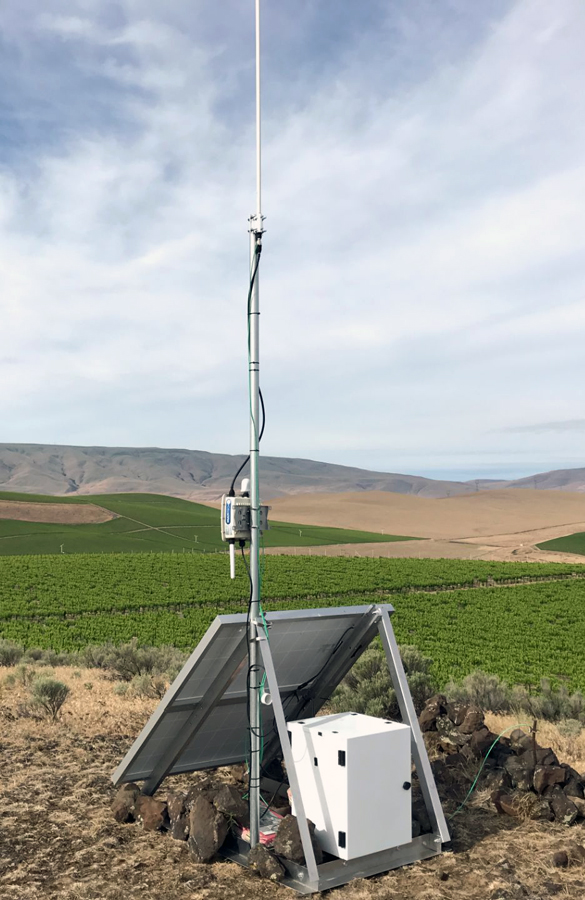
Why SCADA Systems Are Deployed in Remote Locations
SCADA systems are often installed in hard-to-reach environments where real-time data collection and control are essential. These include wellheads, pipeline corridors, pump stations, reservoirs, and other distributed infrastructure spread across wide areas.
In many cases, these sites are intentionally located far from urban development. Oil and gas assets, for example, are placed where resources exist, while water and environmental systems are positioned based on monitoring needs rather than access to power.
As a result, grid power is often unavailable or too expensive to extend. Trenching, permitting, and installation costs can quickly add up, and even then, utility reliability may not meet the uptime requirements of critical systems.
At the same time, SCADA systems must operate continuously. They support communication, data transmission, alarms, and control functions that are essential to safe and efficient operations.
Because of these factors, operators need a power solution that is both autonomous and reliable over long periods of time.
The Challenge of Powering Remote SCADA Systems
Providing power in remote environments is not as simple as installing a solar panel and battery. In fact, several factors must be carefully considered to ensure consistent operation.
First, SCADA systems typically require 24/7 uptime. Even small interruptions can result in lost data or reduced system visibility.
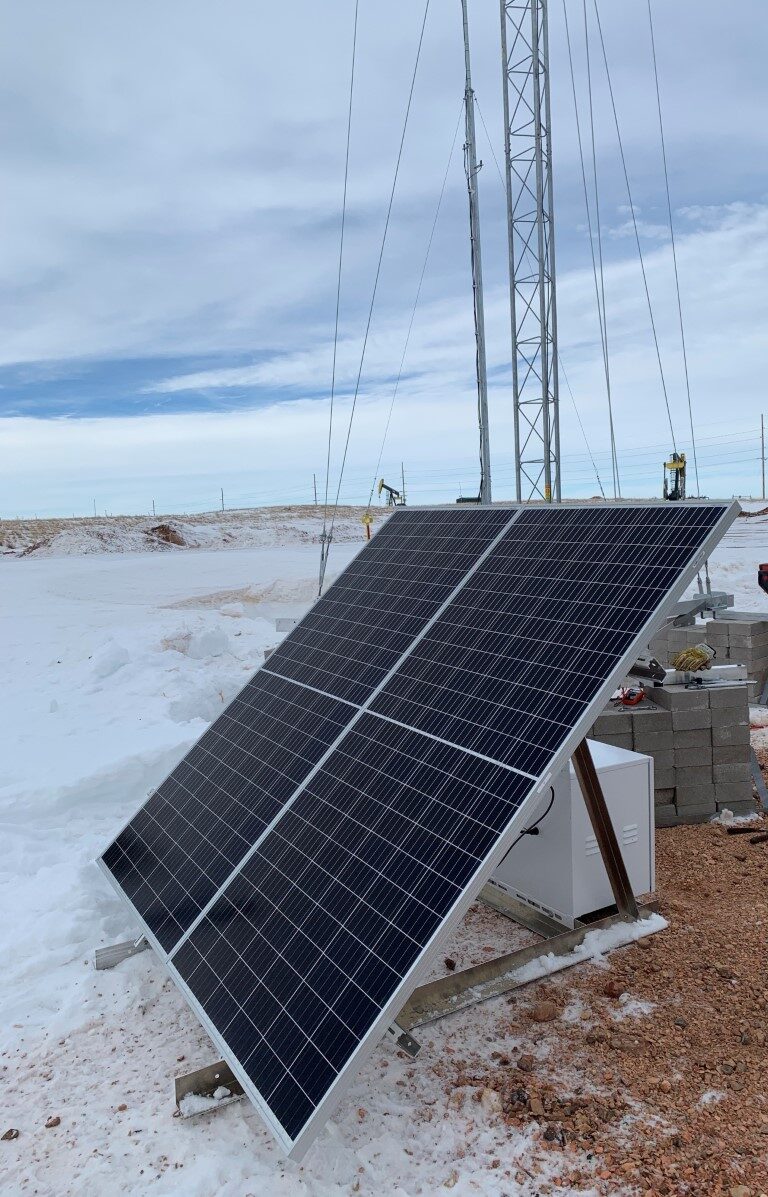
Next, environmental conditions can vary significantly. Extreme temperatures, snow, dust, and prolonged cloud cover all impact system performance.
In addition, site accessibility is often limited. This makes routine maintenance or refueling impractical and costly.
For these reasons, power systems must be engineered with reliability and autonomy as the top priorities.
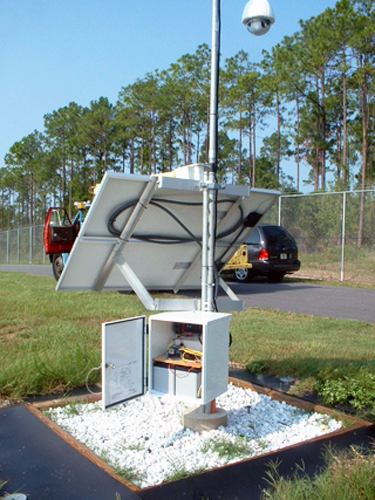
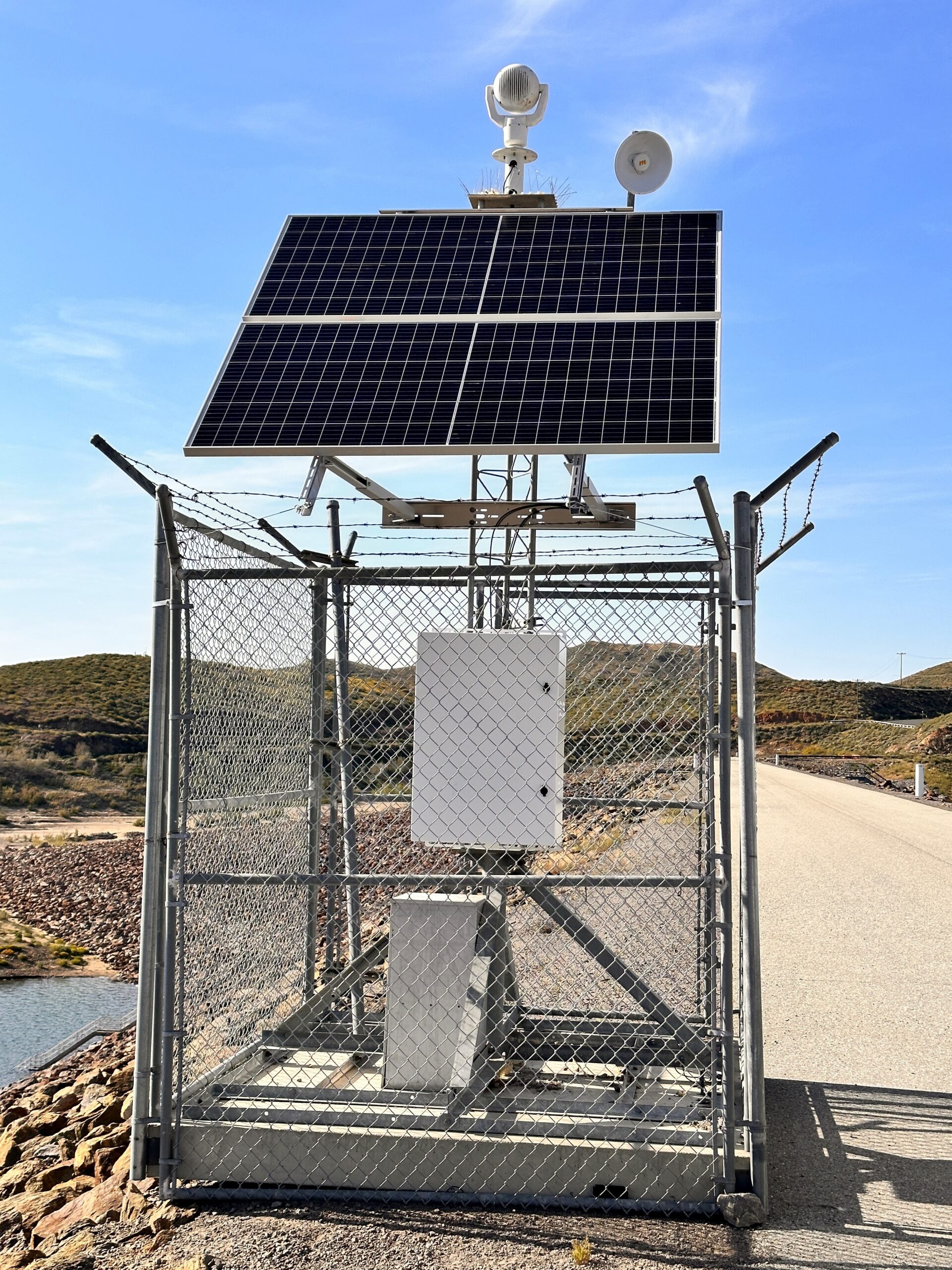
How Solar Power Supports Remote SCADA Applications
Solar power systems offer a clean and efficient way to support SCADA equipment in remote locations. Unlike generators, they require no fuel and operate quietly with minimal maintenance.
A properly designed system captures solar energy during the day and stores it in batteries for continuous operation through the night and during low-sun conditions.
As a result, SCADA systems can maintain uninterrupted communication and control without dependence on external infrastructure.
Hybrid Power Solutions: While solar power is highly effective, certain environments require additional support to maintain uptime.
For example, sites with limited sunlight during winter months or high-latitude locations may benefit from hybrid systems that incorporate backup power sources.
Integrating a fuel cell or generator alongside solar and battery storage can provide extended autonomy without significantly increasing system size.
As a result, operators gain confidence that their SCADA systems will remain online under all conditions.
Key Components of a Remote SCADA Power System
Reliable performance depends on the integration of several critical components.
- Solar Modules: Convert sunlight into usable DC power
- Battery Storage: Provides energy during nighttime and low-sun periods
- Charge Controller: Regulates charging and protects battery health
- System Enclosure: Protects components from environmental exposure
- Mounting Structure: Ensures proper orientation and structural integrity
Together, these elements form a complete system designed for long-term operation in harsh conditions.
Applications Across Industries: Remote SCADA power systems are used across a wide range of industries.
- Oil & gas wellhead and pipeline monitoring
- Water and wastewater system control
- Dam and reservoir monitoring
- Mining operations and environmental monitoring
- Utility infrastructure and grid-edge monitoring
In each case, reliable off-grid power is essential to maintaining visibility and control of critical assets.
Lets Get Started!
Why leave power reliability to chance? If your team needs a field-proven power solution, let’s talk.